🧬 Genetics
Welcome to the EquestriCraft Genetics Guide! Our genetics system is designed to closely resemble real horse coat color genetics while remaining accessible and fun to learn. This guide covers base colors, modifiers, dilutions, white patterns, and breeding inheritance to help you better understand the horses you own and breed.
🐴 Base Colors
EquestriCraft Color Genetics Guide
EquestriCraft's genetics system is based heavily on real horse coat color genetics, with a few simplifications made for our audience. Most colors, dilutions, patterns, and breeding outcomes follow real world inheritance, while some areas have been simplified to provide more variety and easier gameplay.
When breeding, foals inherit genes from both parents. Some genes are dominant and only require one copy to be visible, while others are recessive and require two copies. This guide explains how colors are created, how they pass to foals, and what combinations are possible within EquestriCraft.
Base Coat Genetics
All horse colors begin with two primary genes:
Extension (E)
Controls whether a horse can produce black pigment.
| Genotype | Result |
|---|---|
| E/E | Black pigment possible |
| E/e | Black pigment possible |
| e/e | Chestnut |
Agouti (A)
Controls where black pigment is placed.
| Genotype | Result |
|---|---|
| A/A | Bay |
| A/a | Bay |
| a/a | Black |
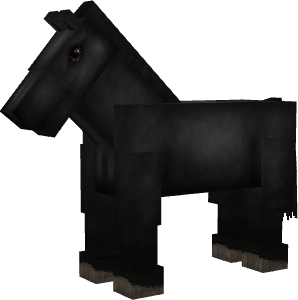
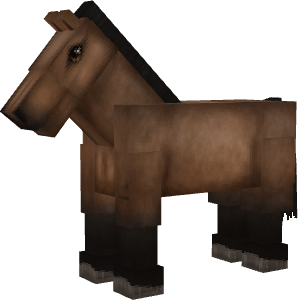
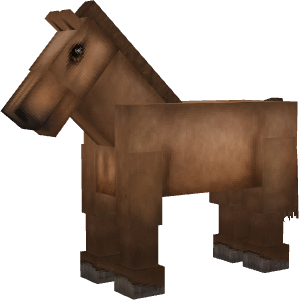
Base Colours
| Genotype | Colour |
|---|---|
| E/_ A/_ | Bay |
| E/_ a/a | Black |
| e/e | Chestnut |
Bay Variations
EquestriCraft simplifies bay shade genetics, any bay horse may randomly generate as:
Standard Bay
Blood Bay
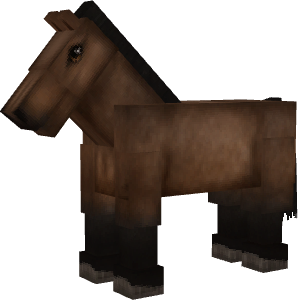
Dark Bay
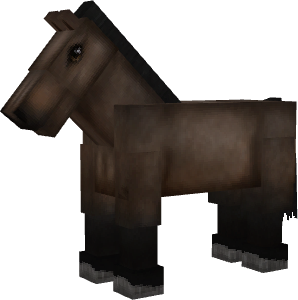
Seal Bay
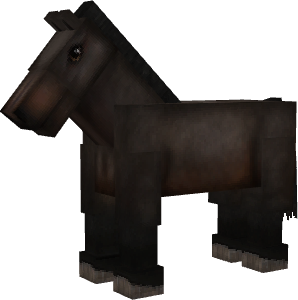
Mahogany Bay
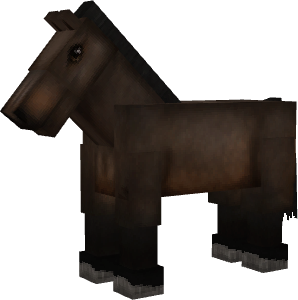
Chestnut Variations
Standard Chestnut
Sandy Chestnut
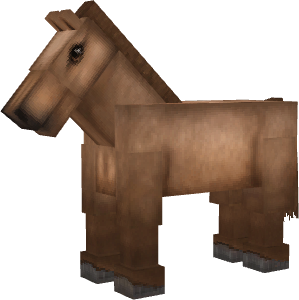
Red Chestnut
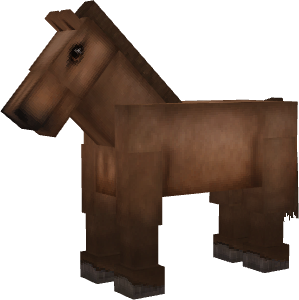
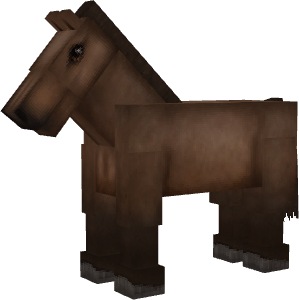
Dark Chestnut
🎨 Modifiers
Color Modifiers
Modifiers alter the appearance of the base coat but do not dilute it.
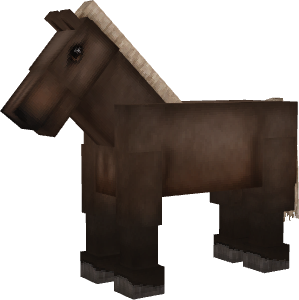
Flaxen (F)
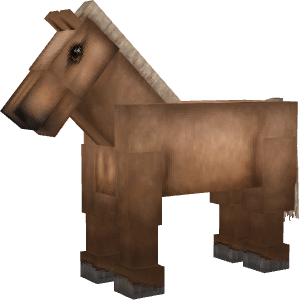
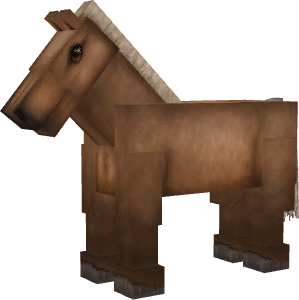
Flaxen is a recessive modifier that lightens the mane and tail of chestnut horses.
Inheritance
| Genotype | Result |
|---|---|
| F/F | Flaxen |
| F/f | Carrier |
| f/f | Non-Flaxen |
Because flaxen is recessive, a horse must inherit a flaxen allele from both parents in order to visually express it.
Expression
Flaxen only affects chestnut horses. Bay and black horses may carry flaxen but will not visually express it.
Silver (Z)
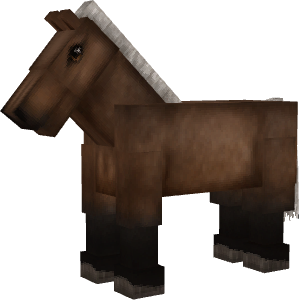
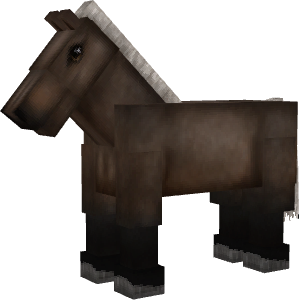
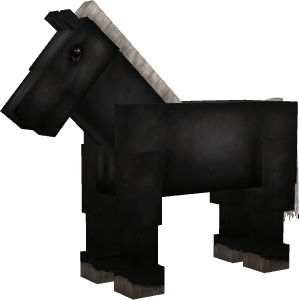
Silver is a dominant modifier that affects black pigment. It lightens the mane and tail while having no effect on red pigment.
Inheritance
| Genotype | Result |
|---|---|
| Z/Z | Silver |
| Z/z | Silver |
| z/z | Non-Silver |
Only one copy of silver is required for expression.
Expression
Chestnut horses may carry silver but will not visually express it because they do not produce black pigment.
Sooty (Sty)
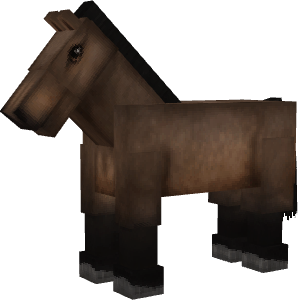
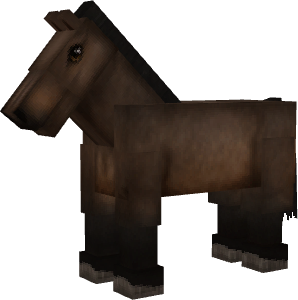
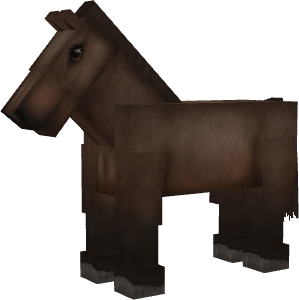
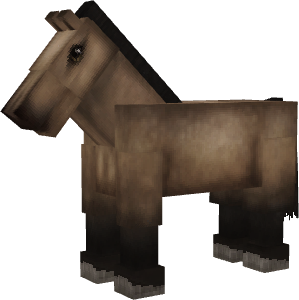
Sooty is a dominant modifier that adds dark hairs throughout the coat. Expression can range from subtle dark shading to heavy darkening across the entire body.
Inheritance
| Genotype | Result |
|---|---|
| Sty/Sty | Sooty |
| Sty/sty | Sooty |
| sty/sty | Non-Sooty |
Only one copy is required for expression.
Expression
Sooty affects bay and chestnut based horses but any color can be a carrier.
Sooty Bay
Sooty Dark Bay
Liver Chestnut
Sooty Buckskin
Chocolate Palomino
Gray (G)
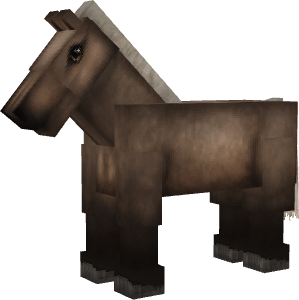
Gray is a dominant modifier that causes progressive depigmentation over time.
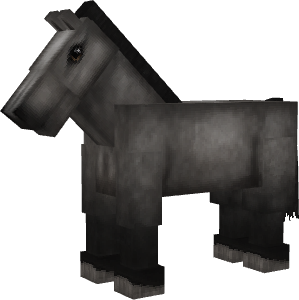
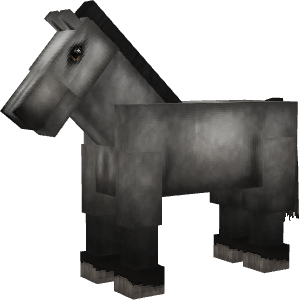
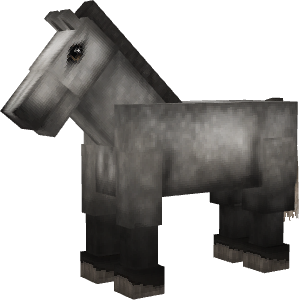
A gray horse is born its original colour and gradually lightens as it ages.
Inheritance
| Genotype | Result |
|---|---|
| G/G | Gray |
| G/g | Gray |
| g/g | Non-Gray |
Only one copy is required for expression.
Expression
Gray can occur on any base colour.
Examples:
- Black → Gray
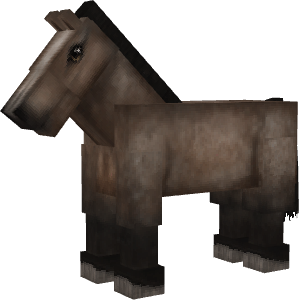
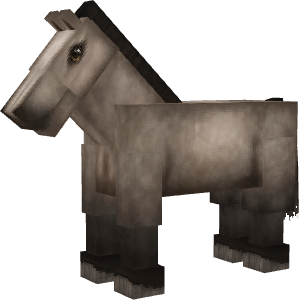
- Bay → Rose Gray
- Chestnut → Rose Gray
The horse's original color remains genetically present underneath the graying process.
Black Base Graying Process
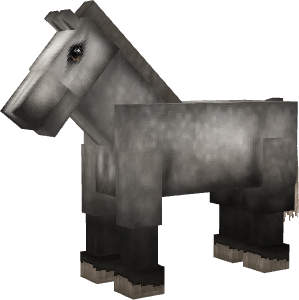
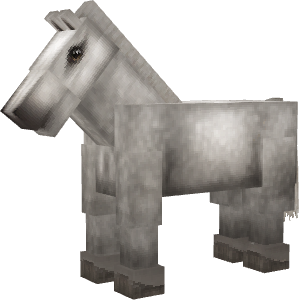
Bay Base Graying Process
Chestnut Base Graying Process
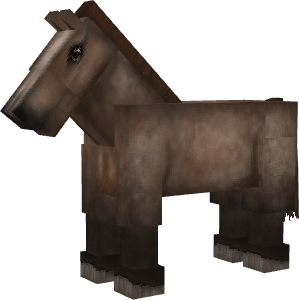
Gray Final Forms
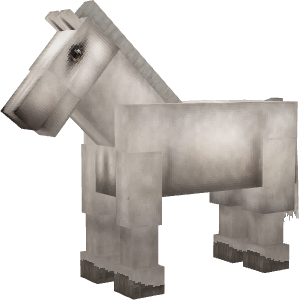
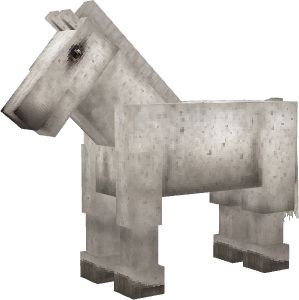
🧪 Dilutions
Dilution Genes
Dilution genes lighten or alter the base coat color.
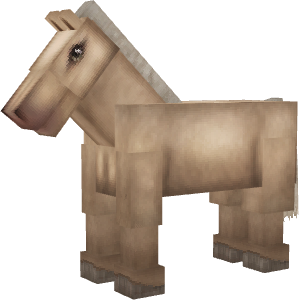
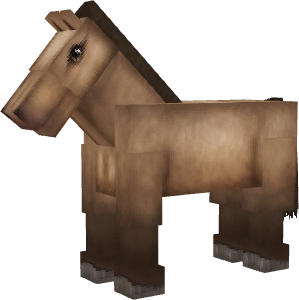
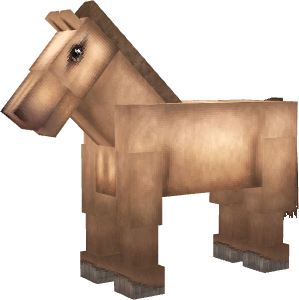
Cream (CR)
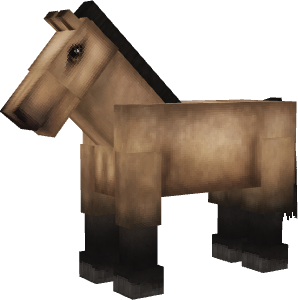
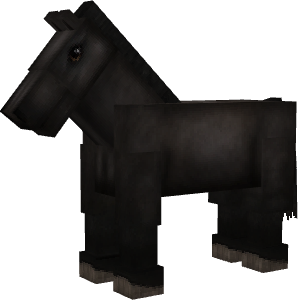
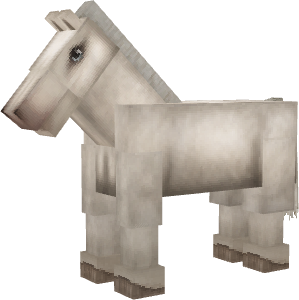
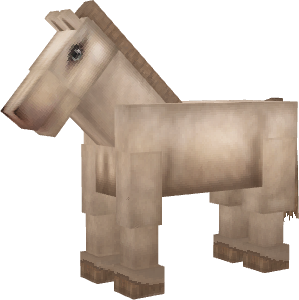
Cream is an incomplete dominant dilution. One copy creates a single dilute, while two copies create a double dilute.
Single Cream
| Base | Result |
|---|---|
| Chestnut | Palomino |
| Bay | Buckskin |
| Black | Smoky Black |
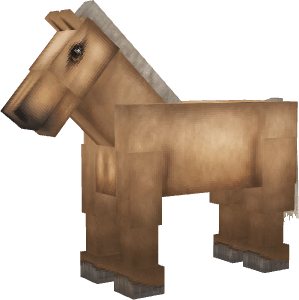
Double Cream
| Base | Result |
|---|---|
| Chestnut | Cremello |
| Bay | Perlino |
| Black | Smoky Cream |
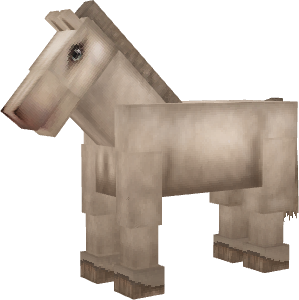
Palomino Variations
Standard Palomino
Dappled Palomino
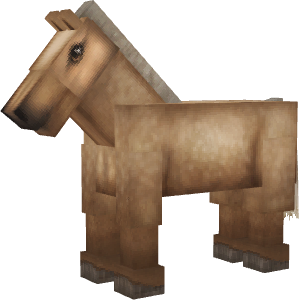
Light Palomino
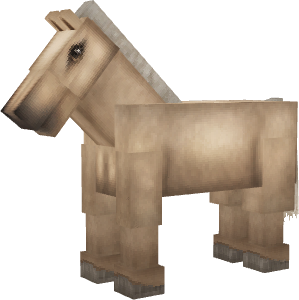
Buckskin Variations
Standard Buckskin
Golden Buckskin
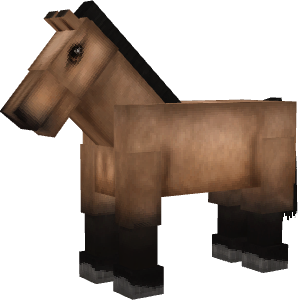
Dark Buckskin
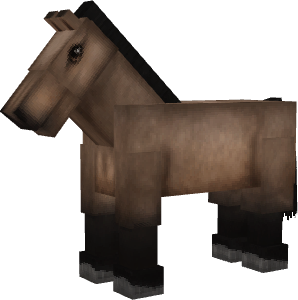
Light Buckskin
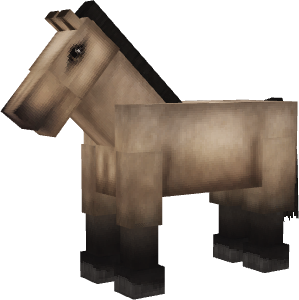
Dun (D)
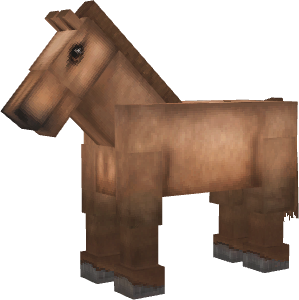
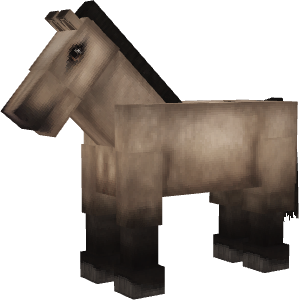
Dun lightens the body while leaving primitive markings visible. Primitive markings include dorsal stripes and leg "zebra stripes"
| Base | Result |
|---|---|
| Chestnut | Red Dun |
| Bay | Bay Dun |
| Black | Grulla |
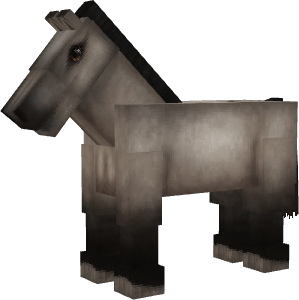
Primitive Markings
A horse may display primitive markings without being fully dun.
The Dun locus has three possible alleles:
| Allele | Effect |
|---|---|
| D | Dun dilution + primitive markings |
| nd1 | Primitive markings only |
| nd2 | No dilution and no primitive markings |
Dominance order:
D > nd1 > nd2
This means Dun overrides both nd1 and nd2, while nd1 overrides nd2.
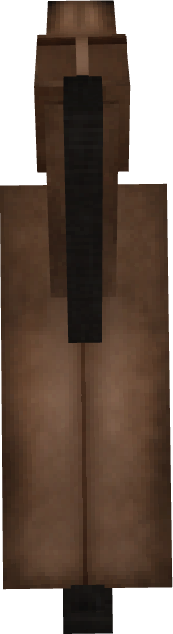
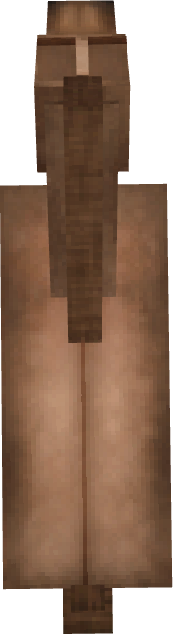
Non-Dun 1 (nd1)
Non-Dun 1 is incredibly interesting because it is basically a "partial remnant" of the original Dun gene.
Horses with nd1 are not diluted, but they may still display primitive markings.
Genotypes
| Genotype | Result |
|---|---|
| nd1/nd1 | Primitive markings possible |
| nd1/nd2 | Primitive markings possible |
Traits:
- Dorsal stripe
- Leg barring
However, the body color remains undiluted.

Non-Dun 2 (nd2)
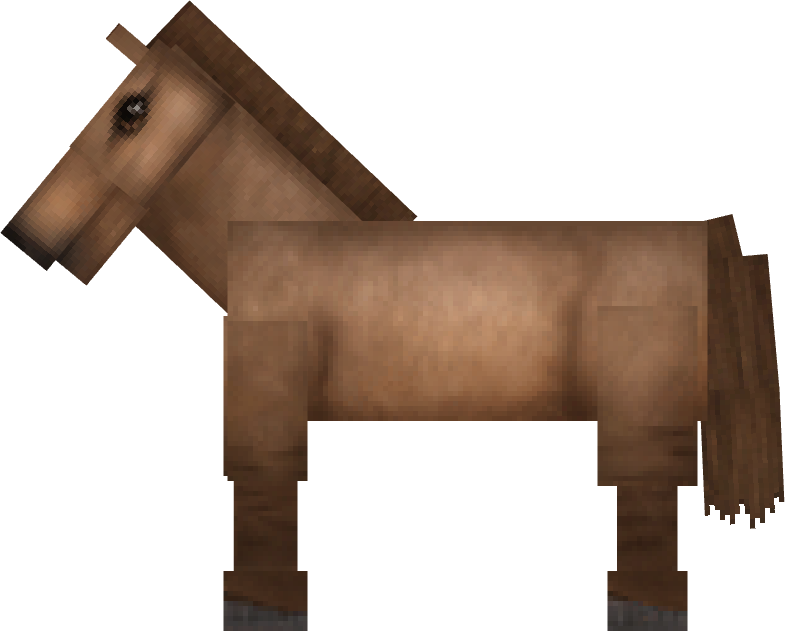
Non-Dun 2 is what most modern horses carry.
Genotype
| Genotype | Result |
|---|---|
| nd2/nd2 | Normal coat color |
These horses:
- Are not diluted
- Do not naturally display primitive markings
- Cannot pass Dun unless bred to a horse carrying D
Champagne (CH)
Champagne dilutes both red and black pigment while creating lighter eyes and mottled skin.
| Base | Result |
|---|---|
| Chestnut | Gold Champagne |
| Bay | Amber Champagne |
| Black | Classic Champagne |
🪽 White Patterns
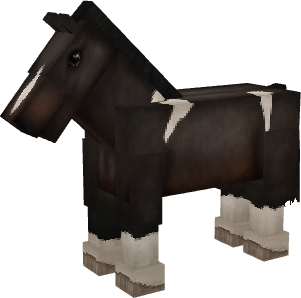
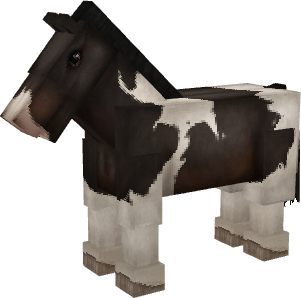
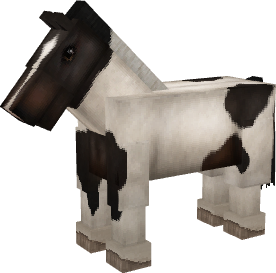
Tobiano (TO)
Tobiano is a dominant white pattern gene that creates smooth, rounded white patches that often cross the topline.
Inheritance & Expression
| Genotype | Result |
|---|---|
| TO/TO |
25% Expressive Tobiano 75% Medium Tobiano |
| TO/n |
50% Medium Tobiano 50% Minimal Tobiano |
| n/n | No Tobiano |
Characteristics
- Rounded white patches
- White legs
- White crossing over the topline
- Dark head with normal facial markings
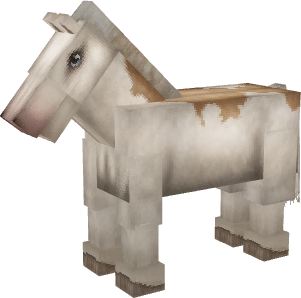
Splashed White (SW)
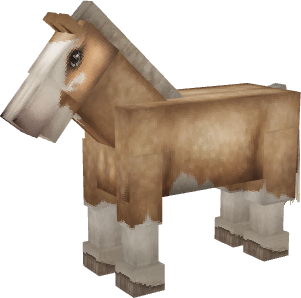
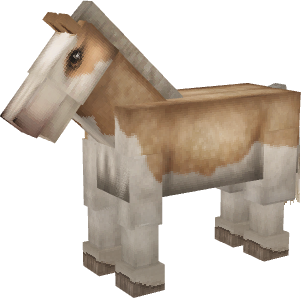
Splashed White is a dominant white pattern that creates crisp, bottom-up white markings, often giving the appearance that the horse walked through white paint. It commonly produces high white legs, wide facial markings, and blue eyes.
| Genotype | Result |
|---|---|
| SW/SW |
25% Expressive Splash 75% Medium Splash |
| SW/n |
50% Medium Splash 50% Minimal Splash |
| n/n | No Splash |
Characteristics
- Crisp-edged white markings
- High white legs
- White underside
- Blue eyes are common
Sabino (SB)
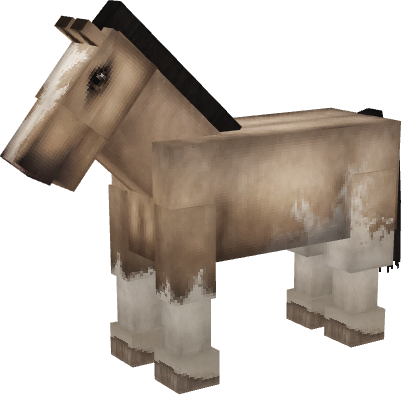
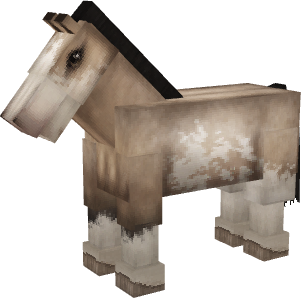
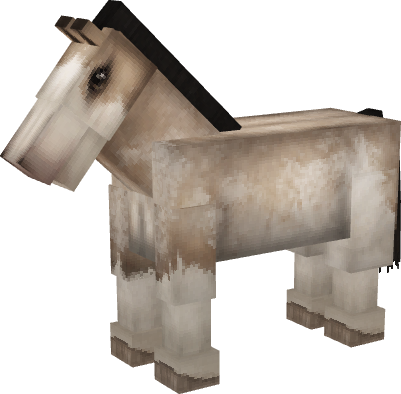
Sabino is a dominant white pattern that produces irregular white markings with roaned or jagged edges. It commonly causes high white legs, extensive facial markings, belly spots, and scattered white hairs along the body.
| Genotype | Result |
|---|---|
| SB/SB |
25% Expressive Sabino 75% Medium Sabino |
| SB/n |
50% Medium Sabino 50% Minimal Sabino |
| n/n | No Sabino |
Characteristics
- Jagged, irregular white markings
- High uneven white legs
- Wide blaze or extensive facial white
- Brown eyes are common
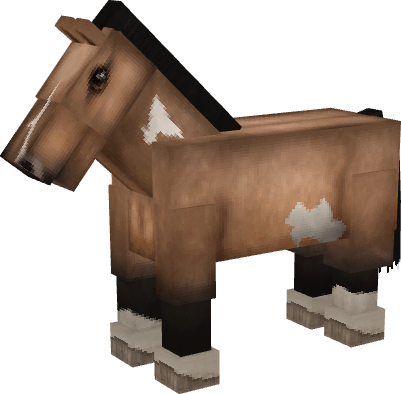
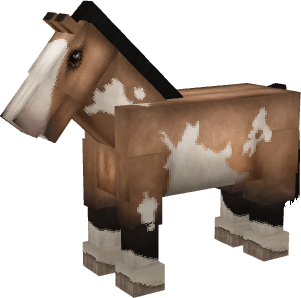
Frame Overo (O)
Overo is a dominant white pattern that creates irregular, horizontally oriented white patches that rarely cross the topline. It typically leaves the legs dark and is often associated with bold facial markings.
| Genotype | Result |
|---|---|
| O/O | Lethal White Syndrome |
| O/n |
50% Medium Overo 25% Minimal Overo 25% Extensive Overo |
| n/n | No Overo |
Characteristics
- Irregular, jagged white patches
- White rarely crosses the topline
- Small leg markings are common
- White is concentrated on the sides and neck
Since O/O is lethal, there is no expressive category for homozygous horses because they won't survive.
Tovero
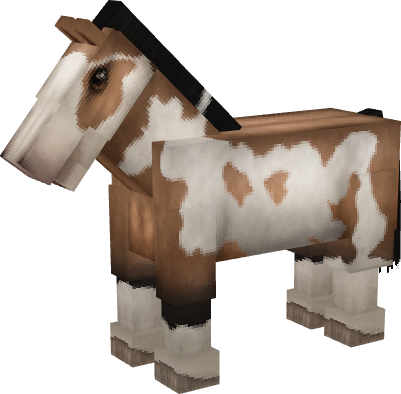
Tovero is not a separate allele, but rather the result of a horse inheriting both Tobiano and Overo pattern genes. This combination produces a unique blend of characteristics from both patterns, often including large tobiano patches with overo facial markings, blue eyes, or irregular white markings.
Characteristics
- Combination of tobiano and overo traits
- White crossing the topline
- Irregular body markings
- Blue eyes are common
- White is concentrated on the sides and neck
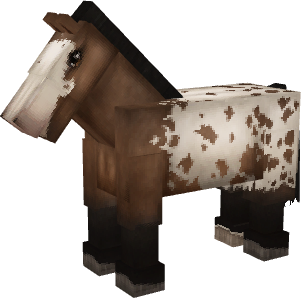
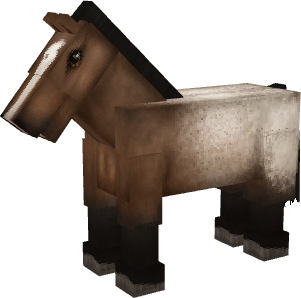
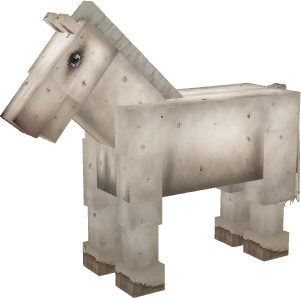
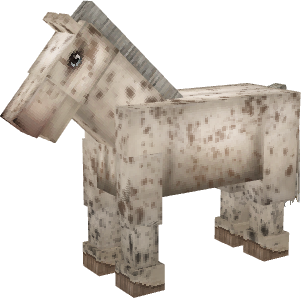
Leopard Complex (LP)
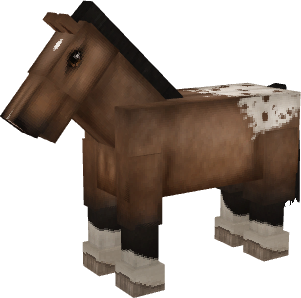
Leopard Complex (LP) is a dominant pattern gene responsible for Appaloosa characteristics. On its own, LP may produce only minimal characteristics
Inheritance
| Genotype | Result |
|---|---|
| LP/LP | Strong Appaloosa Expression |
| LP/n | Moderate Appaloosa Expression |
| n/n | No Appaloosa |
PATN Modifiers
PATN1 is a dominant pattern modifier that works with the Leopard Complex (LP) gene to increase the amount of white and spotting across the body, producing patterns such as blankets and leopard spotting.
PATN2 is a dominant pattern modifier that works with the Leopard Complex (LP) gene to expand Appaloosa white patterning. It typically produces more white expression than PATN1.
Example Outcomes
| LP Status | PATN1 Status | Possible Result |
|---|---|---|
| LP/n | n/n | Minimal Blanket |
| LP/n | PATN1/n | Leopard and Semi-Leopard |
| LP/LP | PATN1/n | Fewspot Appaloosa |
| LP/LP | PATN1/PATN1 | Leopard or Fewspot |
| LP Status | PATN2 Status | Outcome |
|---|---|---|
| LP/n | n/n | Minimal Blanket |
| LP/n | PATN2/n | Blanket Appaloosa |
| LP/LP | PATN2/n | Snowcap Appaloosa |
| LP/LP | PATN2/PATN2 | Leopard or Fewspot |
KIT White (W20)
KIT White, also known as W20, is a white-enhancing gene that influences the amount of white a horse displays. In EquestriCraft, W20 works alongside facial markings, leg markings, and white pattern genes to determine overall white expression.
Unlike Tobiano, Sabino, or Splashed White, W20 does not create a specific pattern on its own. Instead, it increases the amount of white that may be expressed throughout the horse.
Inheritance
| Genotype | Expression |
|---|---|
| W20/W20 | Extensive White |
| W20/n | Medium White |
| n/n | Minimal White |
Expression
n/n (Minimal White)
Horses without W20 will typically display only small amounts of white.
Examples:
- Star
- Snip
- Crescent
- Coronet bands
- Pasterns
- None
W20/n (Medium White)
Horses carrying one copy of W20 may display moderate white expression.
Examples:
- Blaze
- Stripe
- Strip
- Socks
- Moderate body white
W20/W20 (Extensive White)
Horses carrying two copies of W20 may display extensive white markings.
Examples:
- Bald face
- Large Blaze
- Stockings
- Large belly spots
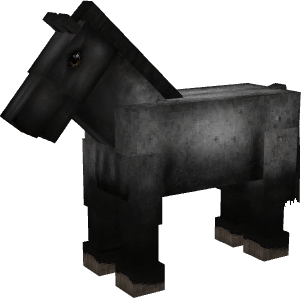
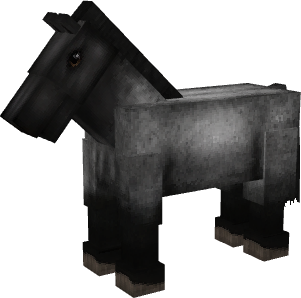
Roan (RN)
Roan is a dominant pattern gene that mixes white hairs evenly throughout the body while typically leaving the head and lower legs darker.
Inheritance
| Genotype | Result |
|---|---|
| RN/RN | Heavy Roan |
| RN/n | Roan |
| n/n | Non-Roan |
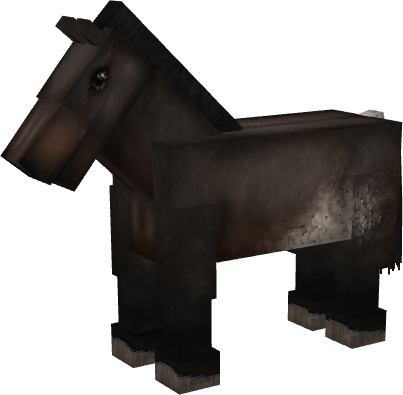
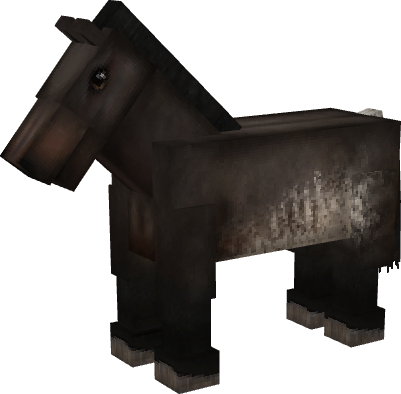
Rabicano (RB)
Rabicano is a dominant white pattern that adds scattered white hairs to the flanks and barrel, often accompanied by white hairs at the base of the tail and a distinctive "skunk tail" appearance.
Inheritance
| Genotype | Result |
|---|---|
| RB/RB | Extensive Rabicano |
| RB/n | Medium or Minimal Rabicano |
| n/n | No Rabicano |
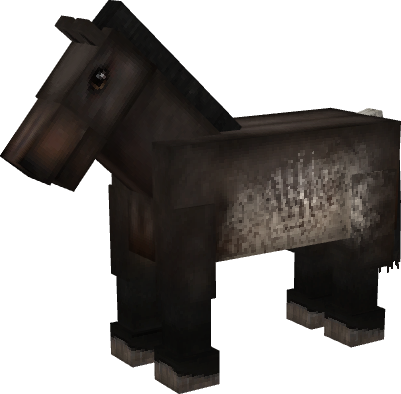
Texture Layering
Unlike many horse games, EquestriCraft doesn't limit horses to a single coat pattern. Every genetic trait is rendered as its own texture layer, allowing any genetically possible combination of alleles to appear together.
This means horses can display combinations such as:
- Tobiano + Appaloosa
- Rabicano + Roan
- Sabino + Splash White + Overo
- ...and countless more.
Because every base coat, modifier, white pattern, hair color, and eye color is layered independently, the number of possible appearances becomes extraordinarily large.
With the current genetics system, there are approximately:
1,610,343,593,388,568,719,021,488,209,920,000
(≈ 1.61 decillion unique horse appearances)
No two horses are guaranteed to look alike, even if they share the same breed. As new patterns are added over time, this number will continue to grow, making every horse feel truly unique.
if a genetic combination can exist, your horse should be able to wear it. Texture layering allows us to create the incredible variety seen in real horses while ensuring every horse in EquestriCraft has the potential to be one of a kind.